November 9, 2026
Understanding How Farsightedness Can Cause Eye Crossing
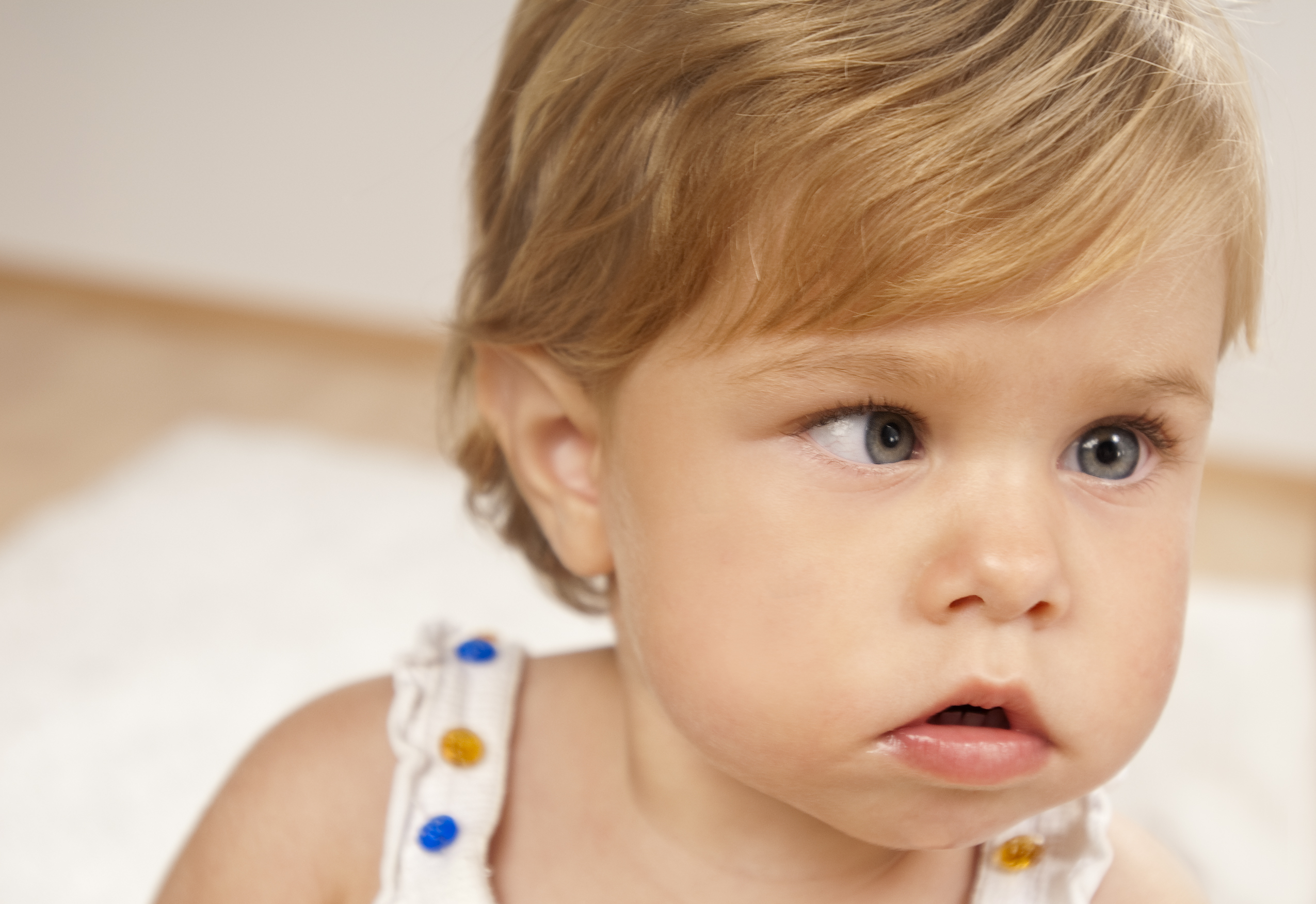
When a young child’s eyes begin crossing inward, parents often worry that something is seriously wrong. In some children, the crossing is related to how their eyes focus.
This condition is called accommodative esotropia, a common form of childhood strabismus in which the effort required to focus contributes to the eyes turning inward. Children with accommodative esotropia are often farsighted (hyperopic). The good news is that properly prescribed glasses can significantly improve or completely correct their eye alignment.
What Is Accommodative Esotropia?
Accommodation is the process the eyes use to focus clearly on objects. Normally, focusing and eye alignment work together. When we look at something close, our eyes naturally converge, or turn slightly inward, while focusing. Children who are significantly farsighted may need to exert extra focusing effort to see clearly. In some children, this additional focusing stimulates excessive inward turning of the eyes. The result is accommodative esotropia. The crossing may occur constantly or intermittently and may be more noticeable when looking at near objects.
At What Age Does Accommodative Esotropia Develop?
Accommodative esotropia often becomes noticeable between approximately ages 2 and 4, although it can develop earlier or later.
Parents may notice an eye crossing when their child looks at books, toys, or other nearby objects. Sometimes the crossing becomes more frequent over time. Because accommodative esotropia can interfere with visual development, suspected eye crossing should be evaluated rather than assumed to be a temporary phase.
How Do Glasses Straighten Crossed Eyes?
Glasses correct the farsightedness that contributes to excessive focusing effort.
When the child wears the appropriate prescription, the eyes do not have to work as hard to focus. This reduces the associated inward turning. For many children, glasses allow the eyes to remain properly aligned. Glasses prescribed for accommodative esotropia are generally intended to be worn full-time, not simply for reading or schoolwork. A child may see reasonably well without glasses and still need them to control eye alignment.
Why Do My Child’s Eyes Still Cross Without Glasses?
This is one of the most common questions parents ask.
Even after glasses successfully straighten a child’s eyes, the crossing may return when the glasses are removed. This does not mean the glasses are making the condition worse or that treatment is failing. The glasses are correcting the focusing effort responsible for the eye crossing. Without them, the same focusing demand remains. What matters most is whether the eyes are appropriately aligned while the child wears the prescribed glasses.
What Is Partially Accommodative Esotropia?
Some children experience significant improvement with glasses but continue to have an inward eye turn even while wearing the correct prescription. This is called partially accommodative esotropia. In these cases, glasses correct the focusing-related portion of the crossing, but another component of the misalignment remains. Additional treatment, sometimes including strabismus surgery, may be recommended. Surgery generally addresses the remaining eye misalignment rather than eliminating the need for glasses.
Why Might a Child Need Bifocals?
Some children have straight eyes when looking at distant objects while wearing glasses but continue to cross their eyes excessively when focusing up close. This may occur with a high accommodative convergence-to-accommodation ratio, often called a high AC/A ratio. Bifocal lenses provide additional focusing assistance for near activities and may help improve alignment while reading or looking at nearby objects. Not every child with accommodative esotropia needs bifocals. The decision depends on specialized measurements of eye alignment at different distances.
Can Accommodative Esotropia Cause Lazy Eye?
Yes. Some children with accommodative esotropia develop amblyopia (lazy eye), particularly when one eye crosses more frequently or when the two eyes have different prescriptions.
Amblyopia occurs when vision does not develop normally during childhood. Treatment may include patching or atropine drops in addition to glasses. Straightening the eyes with glasses does not automatically mean amblyopia has resolved. Vision in each eye must be monitored separately.
Will My Child Outgrow Accommodative Esotropia?
Some children become less farsighted as they grow and eventually need less correction to maintain alignment. Others continue to require glasses into adolescence or adulthood. It is difficult to predict early in childhood which children will eventually be able to discontinue glasses. Families should not reduce or stop glasses without guidance from their pediatric ophthalmologist, even when the eyes appear straight.
Why Regular Follow-Up Matters
Children with accommodative esotropia require ongoing examinations to monitor:
- Eye alignment with glasses
- Vision development in each eye
- Changes in farsightedness
- Amblyopia
- Binocular vision and depth perception
- Whether bifocals or other treatment may be needed
At Children’s Eye Care, our pediatric ophthalmologists and certified orthoptists work together to monitor these changes and adjust treatment as children grow.
Specialized Care for Accommodative Esotropia
Children’s Eye Care provides specialized pediatric strabismus care throughout Southeast Michigan, with offices in Clinton Township, Dearborn, Detroit, and West Bloomfield. Our fellowship-trained pediatric ophthalmologists and certified orthoptists have extensive experience evaluating childhood eye crossing and managing vision development.
Learn more: Strabismus (Eye Misalignment) | Amblyopia (Lazy Eye) | Failed Vision Screening