
October 8, 2026

Understanding Early-Onset Eye Crossing
Parents often notice that a newborn’s eyes occasionally appear to cross or wander. While brief, intermittent eye misalignment can occur during early visual development, persistent or significant eye crossing may indicate a condition requiring specialized evaluation.
Infantile esotropia is a form of strabismus in which one or both eyes turn inward during the first six months of life. It often involves a large, noticeable eye turn and can affect the development of binocular vision – the ability of the eyes to work together.
Is Eye Crossing Normal in Newborns?
During the first few months of life, babies are still developing the ability to coordinate their eye movements. Brief, occasional eye misalignment may occur during this period and generally becomes less frequent as visual development progresses.
However, large or constant eye crossing is not considered normal, even in a young infant. Eye crossing that persists beyond approximately three to four months of age should also be evaluated. Parents should not wait for a baby to reach a particular age if the eye crossing is constant, pronounced, or concerning.
What Causes Infantile Esotropia?
The exact cause of infantile esotropia is not fully understood. It is generally associated with differences in the early development of binocular vision and the brain’s control of eye alignment. Infantile esotropia may occur in otherwise healthy babies, although some children have associated neurological or developmental conditions.
Unlike accommodative esotropia, infantile esotropia is not typically caused primarily by farsightedness.
What Are the Signs of Infantile Esotropia?
Parents may notice:
- One or both eyes turning inward
- A large or frequent eye crossing
- Alternating crossing between the right and left eyes
- Eyes that appear misaligned in photographs
- Difficulty maintaining normal eye alignment
Some children also develop abnormal head positioning or other eye movement patterns. Because babies cannot explain visual symptoms, specialized examination techniques are important.
Could It Be Pseudostrabismus Instead?
Some infants appear to have crossed eyes even though their eyes are properly aligned. This is called pseudostrabismus. It often occurs because of facial features such as a broad nasal bridge or prominent skin folds near the inner corners of the eyes.
Pseudostrabismus does not require strabismus surgery, but an eye examination is necessary to distinguish it from true eye misalignment. Children with pseudostrabismus may still develop true strabismus later, so parents should report any new or changing eye turn.
Why Is Early Diagnosis Important?
The first years of life are a critical period for visual development. When the eyes are consistently misaligned, the brain may not develop normal binocular vision. Some children also develop amblyopia, particularly when one eye is used more frequently than the other.
Early diagnosis allows the pediatric ophthalmologist to evaluate eye health, assess vision development, and determine the appropriate timing of treatment.
How Is Infantile Esotropia Treated?
Treatment is individualized and depends on the examination findings.
Glasses: A comprehensive examination includes checking for farsightedness and other refractive errors. Glasses may be prescribed when appropriate, although typical infantile esotropia often does not resolve with glasses alone.
Amblyopia Treatment: If one eye has reduced vision development, treatment such as patching or atropine may be recommended. Amblyopia treatment may be needed before or after eye alignment surgery.
Eye Muscle Surgery: Many children with infantile esotropia require strabismus surgery to improve eye alignment. Surgery involves adjusting the eye muscles to help the eyes point in the same direction. The timing of surgery is an important consideration. Earlier alignment during infancy or early childhood may provide opportunities for improved binocular visual development, although outcomes vary. Some children require additional surgery or other treatment as they grow.
Will Surgery Restore Normal Depth Perception?
Strabismus surgery can significantly improve eye alignment, but it cannot guarantee normal binocular vision or depth perception. The outcome depends on several factors, including the age at which alignment is achieved, associated eye conditions, and the child’s visual development. The goal is to provide the best possible opportunity for eye alignment and visual function.
What Happens After Treatment?
Children with infantile esotropia need continued follow-up even after successful surgery. Some may develop additional eye alignment patterns, including vertical drifting or changes in horizontal alignment. Our pediatric ophthalmologists and certified orthoptists monitor vision, eye alignment, and binocular function throughout childhood.
Specialized Infantile Strabismus Care at Children’s Eye Care
Our fellowship-trained pediatric ophthalmologists provide specialized evaluations and surgical treatment for infantile esotropia and other early childhood eye alignment disorders. Working alongside certified orthoptists, our physicians develop individualized treatment plans focused on visual development and long-term eye alignment.
We care for families throughout Southeast Michigan at our Clinton Township, Dearborn, Detroit, and West Bloomfield offices.
Learn more: Strabismus (Eye Misalignment) | Amblyopia (Lazy Eye) | Pediatric Eye Examinations
Related Posts
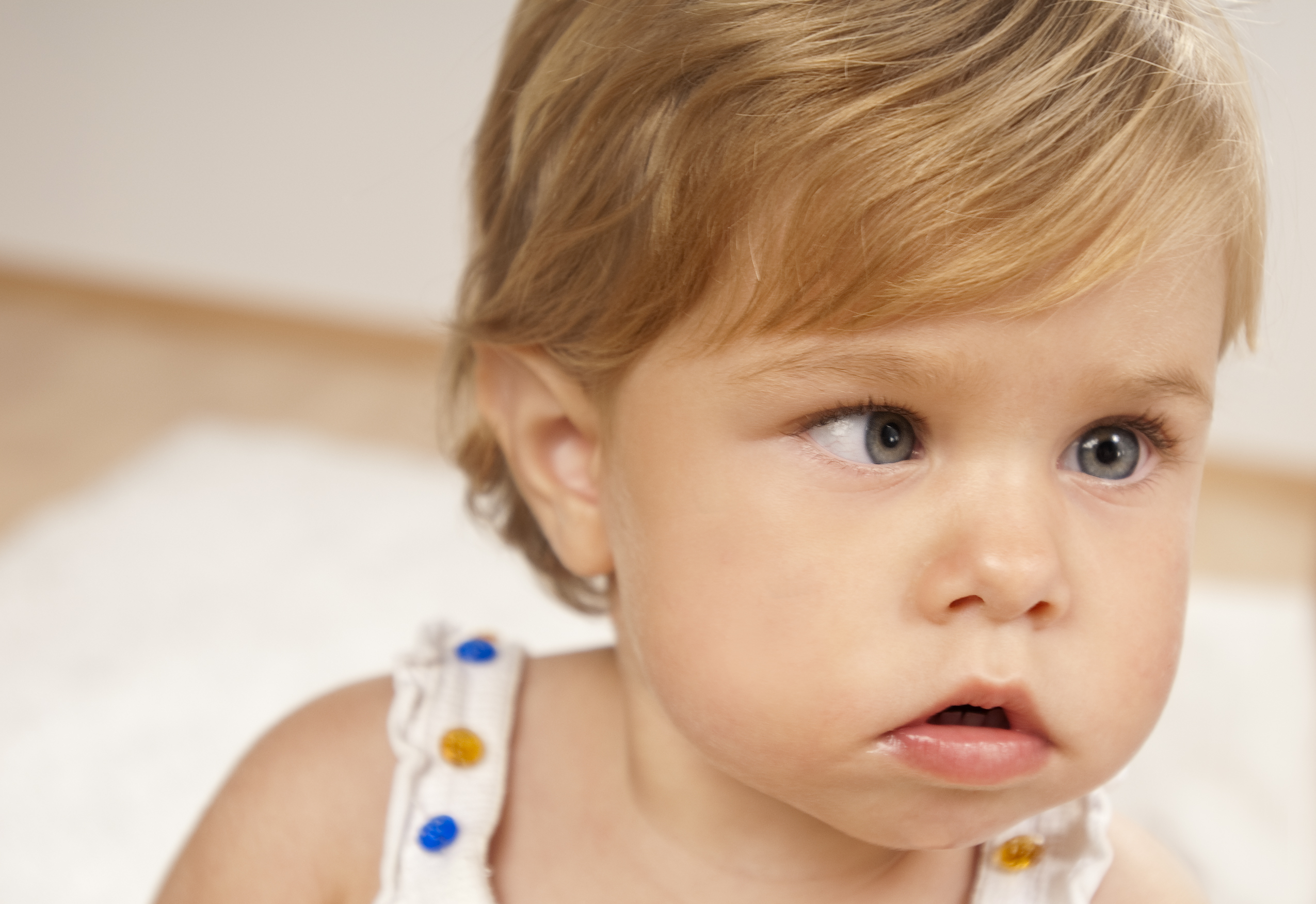
Accommodative Esotropia: Why Do Some Children’s Eyes Cross?
November 9, 2026

Firework Eye Safety for Children in Michigan | Pediatric Eye Injury Prevention
May 17, 2026
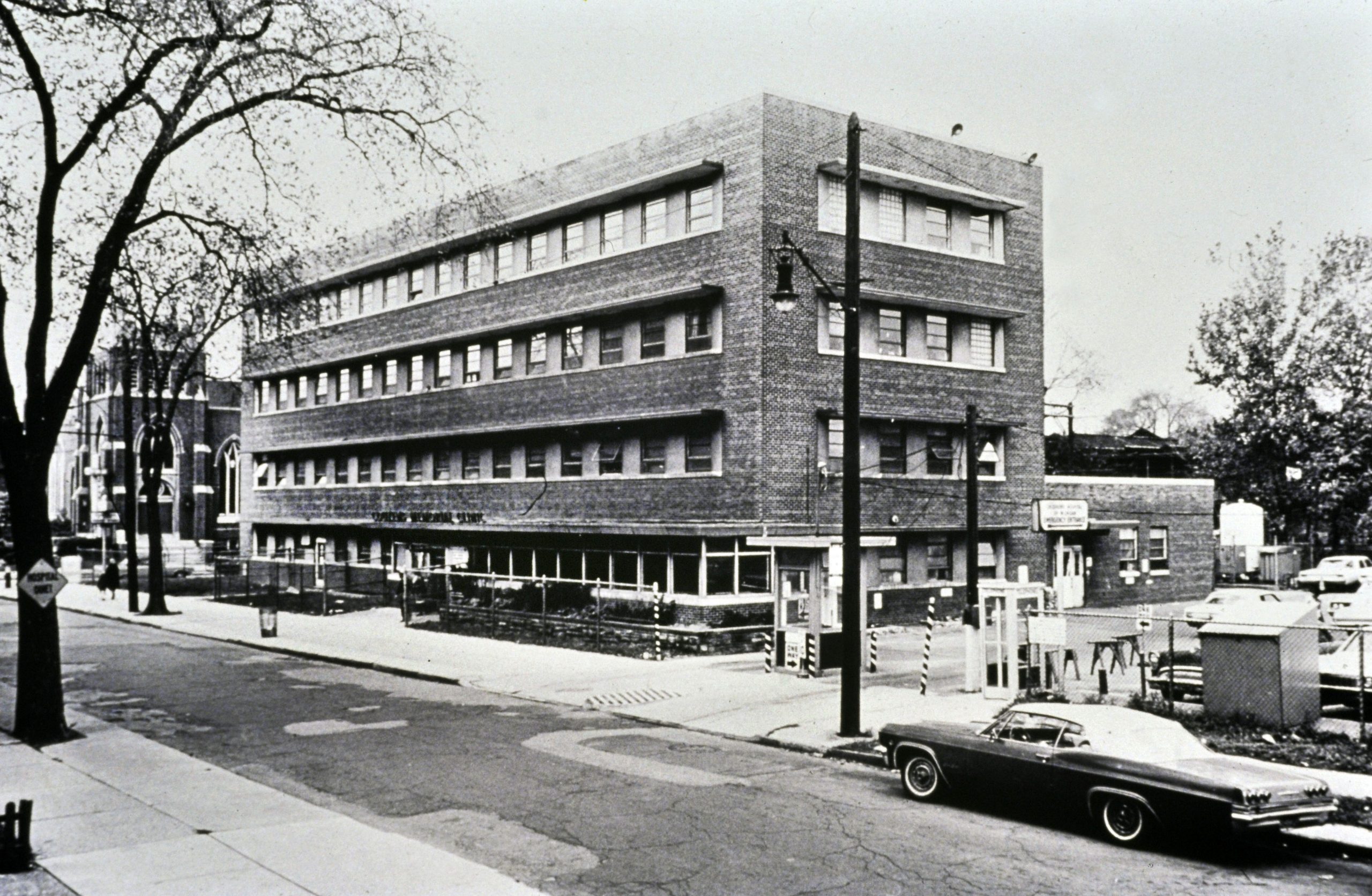
The History of Pediatric Ophthalmology at Children’s Hospital of Michigan
September 30, 2026
John D. Baker, MD Pediatric Ophthalmology Symposium 2027 | Baker Day Detroit
February 4, 2025
view all articles