February 4, 2025
2027 Baker Day Guest Lecturer: Jane C. Edmond, MD
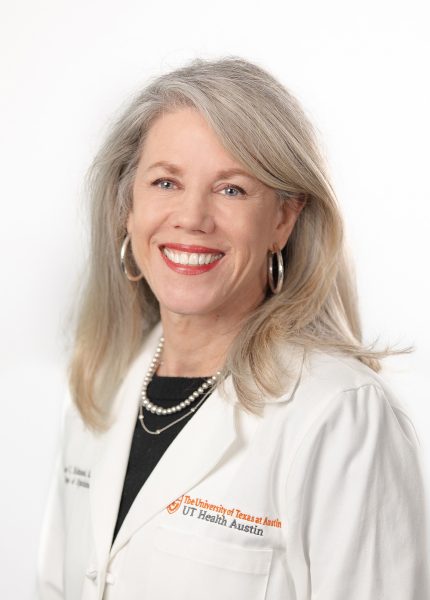
Children’s Eye Care is pleased to welcome Jane C. Edmond, MD, as the featured guest lecturer for the 2027 John D. Baker, MD Pediatric Ophthalmology Symposium, affectionately known as Baker Day.
Dr. Edmond is a nationally recognized pediatric ophthalmologist and neuro-ophthalmologist with extensive experience in pediatric neuro-ophthalmology, strabismus, complex ocular motility disorders, craniofacial conditions, and neurologic diseases affecting vision. She serves as Chair of the Department of Ophthalmology at Dell Medical School at The University of Texas at Austin and has held numerous national leadership positions in ophthalmology.
Her career has also included significant leadership within the American Association for Pediatric Ophthalmology and Strabismus, including serving as President, as well as extensive teaching and mentorship of ophthalmology residents and fellows.
Difficult Cases. Shared Knowledge. Meaningful Impact.
For more than four decades, Baker Day has brought together pediatric ophthalmologists, orthoptists, fellows, residents and orthoptic students for a different kind of educational meeting.
Following the morning guest lecture, the focus turns to challenging and unusual clinical cases. Participants present real cases involving pediatric and adult strabismus, neuro-ophthalmology, complex ocular motility disorders, thyroid eye disease, diplopia and other difficult pediatric ophthalmology problems.
Rather than traditional lectures, cases are discussed collaboratively. Attendees share approaches, debate management options and learn from colleagues who may have encountered similar—or equally unusual—problems during their careers.
It is this informal, case-based format that has made Baker Day a longstanding tradition in pediatric ophthalmology education.
Who Should Attend Baker Day?
Baker Day is designed for pediatric ophthalmologists, orthoptists, pediatric ophthalmology fellows, ophthalmology residents and orthoptic students interested in complex pediatric ophthalmology, strabismus, adult strabismus and neuro-ophthalmology.
The meeting provides an opportunity to learn from experienced clinicians while connecting with colleagues and trainees from Michigan, the Midwest, Canada and beyond.
Save the Date
Friday, May 14, 2027
Children’s Hospital of Michigan
Detroit, Michigan
 Want to Attend or Present a Case?
 Want to Attend or Present a Case?
For details on registration, email us at academic@cecmich.com
Baker Day is hosted by Children’s Eye Care at Children’s Hospital of Michigan and is supported by funding from The Children’s Foundation and Kresge Eye Institute.