May 17, 2026
Fireworks and Eye Injuries: A Serious Risk for Michigan Kids
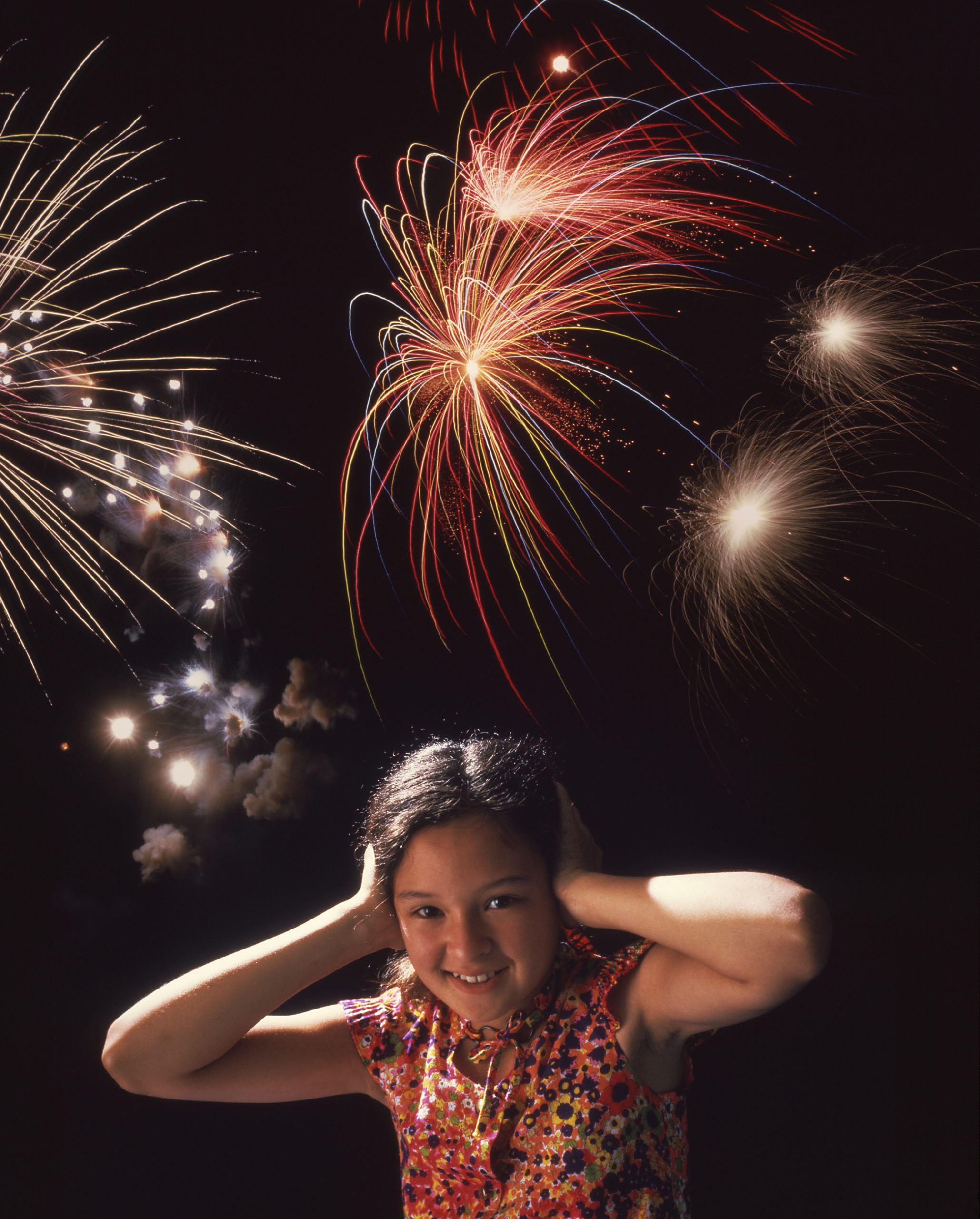
In Michigan, summer festivals, backyard gatherings, and Fourth of July celebrations often include fireworks. But every year, children across the Metro Detroit area and throughout Southeast Michigan suffer preventable eye injuries caused by these explosives.
Even simple items like sparklers burn at over 1,800°F and can cause permanent eye damage. Pediatric eye injuries from fireworks can range from corneal abrasions to globe rupture and vision loss.
Common Firework Hazards to Children’s Vision
- Sparklers – A top cause of burns in children, they can easily injure the eyes and face.
- Bottle rockets – Unpredictable and fast-moving, often striking bystanders.
- Firecrackers – Cause blast injuries, including burns and blunt trauma.
- Homemade or illegal fireworks – Pose serious risks due to instability and poor handling.
Firework Eye Safety Tips from Pediatric Ophthalmologists
At Children’s Eye Care of Michigan, we emphasize prevention as the best protection. Follow these expert recommendations during firework season:
Before the Event
- Keep children completely away from fireworks — even sparklers.
- Attend professional firework displays run by licensed operators.
- Talk with your child about why fireworks are dangerous and set clear expectations.
During the Event
- Watch from at least 500 feet away from any launch area.
- If children are nearby, consider protective safety glasses.
- Never allow children to light, hold, or play near fireworks.
If Fireworks Are Used at Home
- Only adults should handle fireworks and should wear protective eyewear.
- Keep a water source, such as a hose or bucket, ready at all times.
- Establish a safe viewing zone far away from where fireworks are being set off.
What to Do If a Child Suffers an Eye Injury
If a firework-related eye injury occurs:
- Do not allow the child to rub their eye.
- Do not rinse the eye or apply pressure.
- Do not attempt to remove any objects from the eye.
- Seek emergency medical attention at the nearest emergency room right away.
- Quick, appropriate care is essential — especially when vision is at risk.
Eye Injury Facts Every Michigan Parent Should Know
- One in six firework-related injuries affects the eyes.
- Children under 15 make up over 30% of all firework injuries.
- Most injuries happen when children are simply watching, not using, fireworks.
Trusted Resources for More Information
For more information on firework-related eye injuries and safety tips, visit the American Academy of Ophthalmology. Their public education resources offer detailed guidance on eye safety during holidays and celebrations.